
NID4BirdLIFE
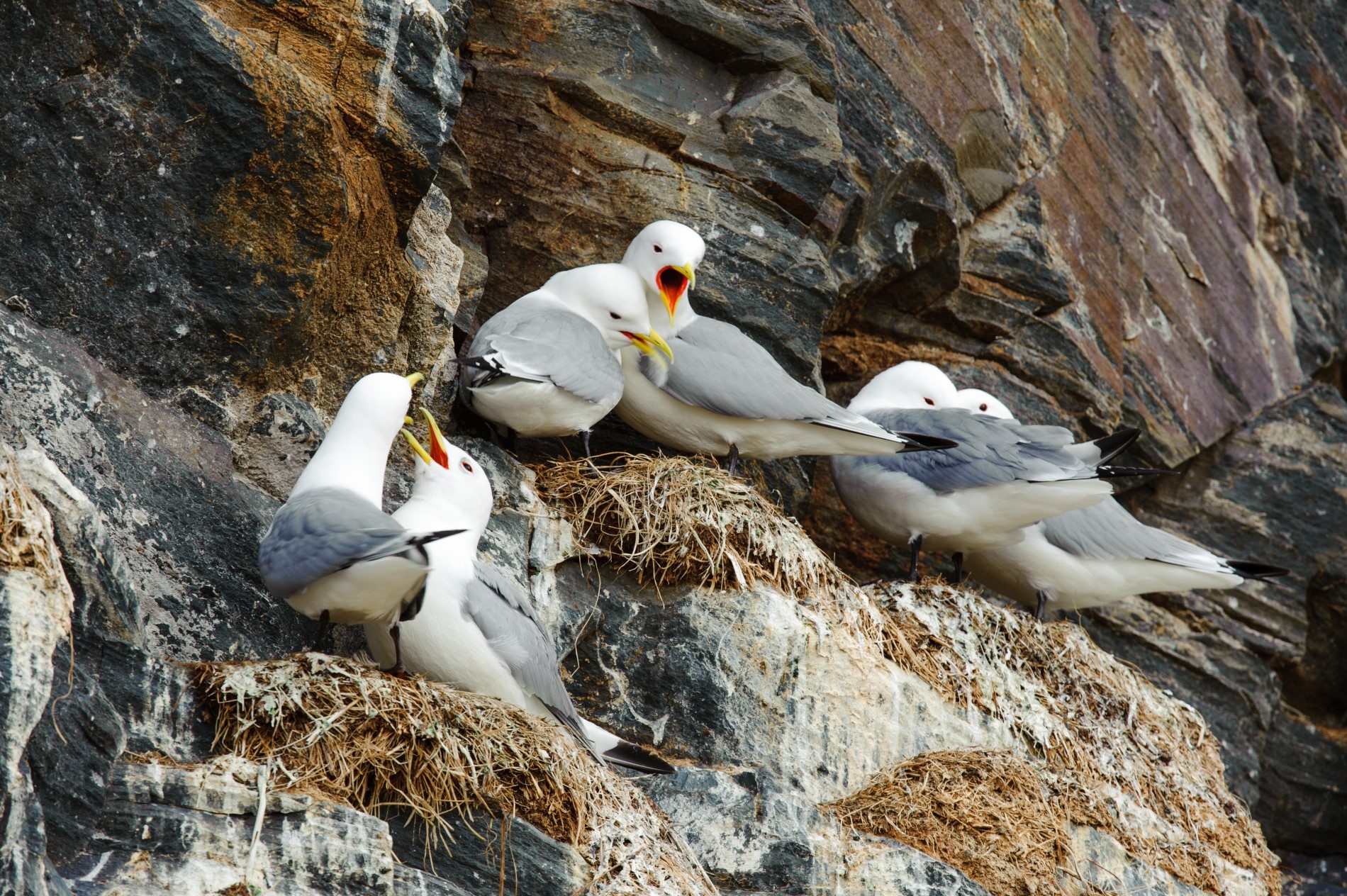
European kittiwakes (photo Lars Soerink - Vildaphoto)
Details
...As part of the development of the Princess Elisabeth Island, the consortium — composed of Elia, the Royal Belgian Institute of Natural Sciences (RBINS), the Research Institute for Nature and Forest (INBO), and the Renewables Grid Initiative (RGI) — embraced an innovative approach to infrastructure: Nature-Inclusive Design (NID). This collaborative effort integrates ecological expertise into the design and construction of the energy island, aiming to enhance biodiversity both above and below water.
What is Nature-Inclusive Design (NID)?
Nature-Inclusive Design incorporates biodiversity-enhancing elements directly into human infrastructure. Rather than building in opposition to nature, NID fosters coexistence — creating opportunities for flora and fauna to thrive in environments shaped by human activity.
For the Princess Elisabeth Island, several underwater NID measures were developed in collaboration with marine ecology and conservation experts.
The NID4BirdLIFE Project
Launched in 2024, the NID4BirdLIFE initiative aimed to support the black-legged kittiwake (Rissa tridactyla) population in the North Sea by establishing a durable breeding colony on the Princess Elisabeth Island. This was to be achieved through the integration of nesting ledges into the island’s wave walls.
Despite the ecological ambition and collaborative efforts invested, two major risks emerged that significantly compromised the feasibility of the project:
- Substantial Cost Increase: Procurement and installation costs for bird ledges tripled, threatening the budget allocation for essential underwater NID measures.
- Bird Strike Risk: The presence of ledges posed a potential risk to helicopter operations, conflicting with the ALARP (As Low As Reasonably Practicable) principle required for helideck certification.
While mitigation efforts were explored — including INBO’s evaluation of minimum ledge lengths and ongoing risk assessments — the risks remained insufficiently controlled.
A Difficult but Necessary Decision
Faced with these constraints, the consortium partners jointly decided to discontinue the NID4BirdLIFE project.
This decision was not taken lightly and reflects the complex realities of pioneering infrastructure projects. The consortium acknowledges the concerns raised by INBO regarding the ecological depth of the risk assessment and remains committed to transparency and collaboration.
Looking Ahead
The consortium partners reaffirm their commitment to implementing the remaining NID measures, as agreed upon with ecological experts. The support of CINEA and all stakeholders throughout this process has been invaluable.
The pioneering nature of the NID strategy remains central to the consortium’s vision for the energy island. Together, we will continue to explore viable, impactful solutions that promote biodiversity and contribute to a sustainable marine environment.
| Status | Running |
|---|---|
| Actual start/end date | 01/10/2024 - 31/12/2026 |
Teams
INBO Research theme(s)
- Protected nature
Tags
- bird
- evinbo
- monitoring
- natura2000
- monitoring
- natura2000
- bird
- monitoring
- natura2000
- bird